PDF Price
$92.00
Add to cart
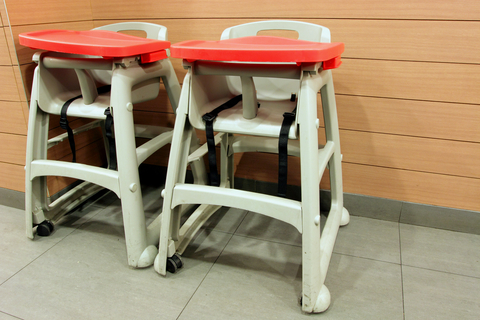
Children's Furniture standards, developed by ASTM International (ASTM), define safety specifications for cribs, changing tables, booster seats, bunk beds, toy chests, bassinets, bedding, bed rails, and more. These standards establish the minimum requirement for the design of each type of furniture in order to produce safer Children’s furniture.
Kids in Danger (KID) is a non-profit organization that advocates for safer Children’s furniture for children and educates the public about dangerous products. KID is determined to create a safer environment for children and to inform parents and caregivers about unsafe and recalled products. KID works with several consumer advocates to monitor the implementation of the Consumer Product Safety improvement Act (PDF link), which required manufacturers to improve safety design and testing of consumer products. One result of the Consumer Product Safety Improvement Act was that it banned cribs with drop-down sides that can trap children when they malfunction.
The Consumer Product Safety Commission (CPSC) called for improved safety standards due to the high number of injuries among children as a result of unsafe Children’s furniture. For example, an estimated 77,300 people were treated in emergency rooms for injuries associated with children’s furniture and products. About 73% of these reported injuries were directly associated with infant carriers, cribs, strollers and high chairs.
1.1 This consumer safety specification establishes design requirements, testing requirements and methods, and requirements for labeling for full-size crib mattresses, non-full-size crib mattresses, and after-market mattresses for play yards and non-full-size cribs, including after-market mattresses for bassinet accessories of play yards. 1.2 No crib mattress produced after the approval date of this consumer safety specification shall, either by label or other means, indicate compliance with this specification unless it conforms to all requirements contained herein. 1.3 Units— The values stated in inch-pound units are to be regarded as the standard. The values given in parentheses are mathematical conversions to SI units that are provided for information only and are not considered standard. 1.4 This standard does not purport to address all of the safety concerns, if any, associated with its use. It is the responsibility of the user of this standard to establish appropriate safety, health, and environmental practices and determine the applicability of regulatory limitations prior to use. 1.5 This international standard was developed in accordance with internationally recognized principles on standardization established in the Decision on Principles for the Development of International Standards, Guides and Recommendations issued by the World Trade Organization Technical Barriers to Trade (TBT) Committee.
1.1 This consumer safety specification establishes minimum requirements for the design and performance of bunk beds. It also contains requirements for labeling and instructional material. 1.2 This consumer safety specification is intended to minimize accidents to children resulting from normal use and reasonably foreseeable misuse or abuse of bunk beds. This consumer safety specification is written within the current state of the art of bunk bed technology and does not address bunk beds that are blatantly misused or are used in a careless manner that disregards warning statements and safety instructions provided with each bunk bed. 1.3 For the purpose of this consumer safety specification, a bunk bed (hereinafter referred to as a bed) is defined as any structure that includes at least one sleeping surface in which the underside of any of its foundations is over 30 in. (762 mm) from the floor. 1.4 This consumer safety specification does not address bunk beds for institutional use (for example, in prisons, military facilities, dormitories, and so forth). 1.5 The values stated in inch-pound units, as well as any specified ISO/ANSI standard hardware, are to be regarded as the standard. The values given in parentheses are for information only. 1.6 The following safety hazards caveat pertains only to the test methods portion, Section 5 , of this specification: This standard does not purport to address all of the safety concerns, if any, associated with its use. It is the responsibility of the user of this standard to establish appropriate safety, health, and environmental practices and determine the applicability of regulatory limitations prior to use. 1.7 This international standard was developed in accordance with internationally recognized principles on standardization established in the Decision on Principles for the Development of International Standards, Guides and Recommendations issued by the World Trade Organization Technical Barriers to Trade (TBT) Committee.
1.1 This consumer safety specification covers the performance requirements and methods of test to ensure the satisfactory performance of the high chair and high chairs created by using a high chair conversion kit and component(s) from another product. 1.2 This consumer safety specification is intended to minimize injuries to children resulting from normal usage and reasonably foreseeable misuse or abuse of high chairs. Note 1: This consumer safety specification is not intended to address accidents and injuries resulting from the interaction of older children with children in the high chair or the accidents resulting from abuse and misuse by persons over three years of age. 1.3 No high chair or high chair conversion kit produced after the approval date of this consumer safety specification shall, either by label or other means, indicate compliance with this specification unless it conforms to all requirements contained herein. 1.4 The values stated in inch-pound units are to be regarded as standard. The values given in parentheses are mathematical conversions to SI units that are provided for information only and are not considered standard. 1.5 The following precautionary caveat pertains only to the test methods portion, Section 7 , of this specification: This standard does not purport to address all of the safety concerns, if any, associated with its use. It is the responsibility of the user of this standard to establish appropriate safety, health, and environmental practices and determine the applicability of regulatory limitations prior to use. Note 2: This consumer safety specification includes the following sections: 1.6 This international standard was developed in accordance with internationally recognized principles on standardization established in the Decision on Principles for the Development of International Standards, Guides and Recommendations issued by the World Trade Organization Technical Barriers to Trade (TBT) Committee.
1.1 This consumer safety specification covers the performance requirements and methods of test to ensure the satisfactory performance of the booster seat. 1.2 This consumer safety specification is intended to minimize injuries to children resulting from normal usage and reasonably foreseeable misuse or abuse of booster seats. Note 1: This consumer safety specification is not intended to address accidents and injuries resulting from the interaction of older children with children in booster seats. 1.3 For purposes of this consumer safety specification, a booster seat is a juvenile chair, which is placed on an adult chair to elevate a child to standard dining table height. The booster seat is made for the purpose of containing a child, up to 5 years of age, and normally for the purposes of feeding or eating. A booster seat may be height adjustable and include a reclined position. 1.4 No booster seat produced after the approval date of this consumer safety specification shall, either by label or other means, indicate compliance with this specification unless it conforms to all requirements contained herein. 1.5 The values stated in inch-pound units are to be regarded as standard. The values given in parentheses are mathematical conversions to SI units that are provided for information only and are not considered standard. 1.6 The following precautionary caveat pertains only to the test method portion, Section 7 , of this specification: This standard does not purport to address all of the safety concerns, if any, associated with its use. It is the responsibility of the user of this standard to establish appropriate safety, health, and environmental practices and determine the applicability of regulatory limitations prior to use. 1.7 This international standard was developed in accordance with internationally recognized principles on standardization established in the Decision on Principles for the Development of International Standards, Guides and Recommendations issued by the World Trade Organization Technical Barriers to Trade (TBT) Committee.
1.1 This consumer safety specification establishes testing requirements for structural integrity and performance requirements for children's chairs and stools. It also provides requirements for labeling. The standard does not apply to products used in a commercial setting or to products that do not have a rigid frame such as bean bag chairs or foam chairs. This standard does not apply to seats with restraint systems, infant or infant/toddler rockers, children's step stools, or children's potty chairs. The term unit or product will refer to a child's chair or stool. 1.2 This specification covers a chair or stool intended to be used by a single child who can get in and get out of the product unassisted and with a seat height 15 in. or less, with or without a rocking base. 1.3 No product produced after the approval date of this consumer safety specification shall, either by label or other means, indicate compliance with this specification unless it conforms to all applicable requirements contained herein, before and after all testing. 1.4 The values stated in inch-pound units are to be regarded as standard. The values given in parentheses are mathematical conversions to SI units that are provided for information only and are not considered standard. 1.5 This standard does not purport to address all of the safety concerns, if any, associated with its use. It is the responsibility of the user of this standard to establish appropriate safety, health, and environmental practices and determine the applicability of regulatory limitations prior to use. 1.6 This international standard was developed in accordance with internationally recognized principles on standardization established in the Decision on Principles for the Development of International Standards, Guides and Recommendations issued by the World Trade Organization Technical Barriers to Trade (TBT) Committee.
1.1 This specification covers the performance requirements and test methods designed to ensure the satisfactory performance of the portable hook-on chair. 1.2 This specification is intended to minimize injuries to children resulting from normal use and reasonably foreseeable misuse or abuse of chairs. 1.3 For the purposes of this specification a chair is: 1.3.1 A seat made for the express purpose of seating and holding a child who can remain in a sitting position due to his or her own coordination. 1.3.2 Usually a legless seat constructed to locate the occupant at a table in such a position and elevation so that the surface of the table can be used as the feeding surface for the occupant. 1.3.3 Supported solely by the table on which it is mounted. These chairs are intended for use by children between the ages of six months and three years and who weigh no more than 37 lb (16.8 kg) (95th percentile male at three years). 1.4 No chair produced after the approval date of this consumer safety specification shall, either by label or other means, indicate compliance with this specification unless it conforms to all applicable requirements contained herein. 1.5 The values stated in inch-pound units are to be regarded as standard. The values given in parentheses are mathematical conversions to SI units that are provided for information only and are not considered standard. 1.6 The following precautionary caveat pertains only to the test methods portion, Section 7 , of this specification: This standard does not purport to address all of the safety concerns, if any, associated with its use. It is the responsibility of the user of this standard to establish appropriate safety, health, and environmental practices and determine the applicability of regulatory limitations prior to use. 1.7 This international standard was developed in accordance with internationally recognized principles on standardization established in the Decision on Principles for the Development of International Standards, Guides and Recommendations issued by the World Trade Organization Technical Barriers to Trade (TBT) Committee.
1.1 This specification is intended to reduce choking and suffocation hazard(s) associated with bean bag chairs and bean bag chair covers. 1.2 This specification covers bean bag chairs and bean bag chair covers with and without zippers. 1.3 This specification covers two types of bean bag chairs: 1.3.1 Those designed to be refilled, and 1.3.2 Those designed with permanent closures and not intended to be refilled. 1.4 This specification does not cover products that include shredded foam or fiber-fill used as an internal filler material. 1.5 The values stated in inch-pound units are to be regarded as standard. The values given in parentheses are mathematical conversions to SI units that are provided for information only and are not considered standard. 1.6 This standard does not purport to address all of the safety concerns, if any, associated with its use. It is the responsibility of the user of this standard to establish appropriate safety, health, and environmental practices and determine the applicability of regulatory limitations prior to use. 1.7 This international standard was developed in accordance with internationally recognized principles on standardization established in the Decision on Principles for the Development of International Standards, Guides and Recommendations issued by the World Trade Organization Technical Barriers to Trade (TBT) Committee.
1.1 This consumer safety specification covers establishment of requirements, test methods, and marking requirements to promote safe use of an infant bouncer seat by an occupant and a caregiver. 1.2 For purposes of this consumer safety specification, an infant bouncer seat is a freestanding product intended to support an occupant in a reclined position to facilitate bouncing by the occupant, with the aid of a caregiver or by other means. Intended occupants are infants who have not developed the ability to sit up unassisted (approximately 0 to 6 months of age). 1.3 This consumer safety specification is intended to minimize the risk of injury to an occupant resulting from normal use and reasonably foreseeable misuse or abuse of an infant bouncer seat. 1.4 No infant bouncer seat produced after the approval date of this consumer safety specification shall, either by label or other means, indicate compliance with this specification unless it conforms to all requirements contained herein. 1.5 This consumer safety specification is not intended to address incidents and injuries resulting from the interaction of other persons with the occupant in an infant bouncer seat or the incidents resulting from abuse or misuse by other children. 1.6 The values stated in inch-pound units are to be regarded as standard. The values given in parentheses are mathematical conversions to SI units that are provided for information only and are not considered standard. 1.7 The following precautionary caveat pertains only to the test method portion, Section 7 , of this consumer safety specification: This standard does not purport to address all of the safety concerns, if any, associated with its use. It is the responsibility of the user of this standard to establish appropriate safety, health, and environmental practices and determine the applicability of regulatory requirements prior to use. 1.8 This international standard was developed in accordance with internationally recognized principles on standardization established in the Decision on Principles for the Development of International Standards, Guides and Recommendations issued by the World Trade Organization Technical Barriers to Trade (TBT) Committee.
1.1 This safety specification is intended to reduce injuries and deaths of children from hazards associated with tipover of free-standing clothing storage units, including but not limited to chests, chests of drawers, drawer chests, armoires, chifferobes, bureaus, door chests, and dressers, which are 27 in. (686 mm) or greater in height, 30 lb (13.6 kg) or greater in mass, and contain 3.2 ft 3 (90.6 dm 3 ) or greater of enclosed storage volume. 1.2 This safety specification does not cover shelving units, such as bookcases or entertainment furniture, office furniture, dining room furniture, jewelry armoires, underbed drawer storage units, occasional/accent furniture not intended for bedroom use, laundry storage/sorting units, or built-in units intended to be permanently attached to the building, nor does it cover "Clothing Storage Chests" as defined in Consumer Safety Specification F2598 . 1.3 This safety specification is intended to cover children up to 72 months. See Note 1 . Note 1: The majority (approximately 80 %) of deaths relate to children 5 years or younger. 1.4 The values stated in inch-pound units are to be regarded as standard. The values given in parentheses are mathematical conversions to SI units that are provided for information only and are not considered standard. 1.5 The following safety hazards caveat pertains only to the test procedure portion, Section 9 , of this safety specification: This standard does not purport to address all of the safety concerns, if any, associated with its use. It is the responsibility of the user of this standard to establish appropriate safety, health, and environmental practices and determine the applicability of regulatory limitations prior to use. 1.6 This international standard was developed in accordance with internationally recognized principles on standardization established in the Decision on Principles for the Development of International Standards, Guides and Recommendations issued by the World Trade Organization Technical Barriers to Trade (TBT) Committee.
1.1 This consumer safety specification covers the performance requirements and test methods to ensure the safety of chests. 1.2 This consumer safety specification is intended to minimize the incidents and injuries to children resulting from normal use and reasonably foreseeable misuse or abuse of these chests. 1.3 This consumer safety specification applies to products commonly known as cedar chests, hope chests, blanket chests, and keepsake chests, or other similar closed rigid boxes designed and marketed as sealed storage containers for clothes, blankets, linens, keepsake or other household items. Products subject to these requirements are: 1.3.1 Those with a single volume of 1.1 ft 3 (0.031 m 3 ) or more measured with all removable shelves or compartments removed from the product, and 1.3.2 Those intended to create a tightly sealed storage space when the lid is closed for purposes such as the prevention of insect infestation and dust or dirt contamination. 1.4 No chest produced after the approval date of this consumer safety specification shall, either by label or other means, indicate compliance with this specification unless it conforms to all requirements contained herein. 1.5 The values stated in inch-pound units are to be regarded as standard. The values given in parentheses are mathematical conversions to SI units that are provided for information only and are not considered standard. 1.6 The following precautionary caveat pertains only to the test methods portion, Section 5 , of this specification: This standard does not purport to address all of the safety concerns, if any, associated with its use. It is the responsibility of the user of this standard to establish appropriate safety, health, and environmental practices and determine the applicability of regulatory limitations prior to use. 1.7 This international standard was developed in accordance with internationally recognized principles on standardization established in the Decision on Principles for the Development of International Standards, Guides and Recommendations issued by the World Trade Organization Technical Barriers to Trade (TBT) Committee.
1.1 This specification 2 relates to possible hazards that may not be recognized readily by the public and that may be encountered in the normal use for which a toy is intended or after reasonably foreseeable abuse. It does not purport to cover every conceivable hazard of a particular toy. This specification does not cover product performance or quality, except as related to safety. Except for the labeling requirements pointing out the functional hazards and age range for which the toy is intended, this specification has no requirements for those aspects of a toy that present an inherent and recognized hazard as part of the function of the toy. Such an example is a sharp point necessary for the function of a needle. The needle is an inherent hazard that is well understood by the purchaser of a toy sewing kit, and this hazard is communicated to the user as part of the normal educational process. 1.2 On the other hand, while a riding toy has inherent hazards associated with its use (for example, falling off onto the sidewalk), the possible hazards associated with its construction (sharp edges, exposed mechanisms, etc.) will be minimized by the application of this specification. 1.3 This specification covers requirements and contains test methods for toys intended for use by children under 14 years of age. Different age limits for various requirements will be found in this specification. These limits reflect the nature of the hazards and expected mental or physical ability, or both, of a child to cope with the hazards. 1.4 Articles not covered by this specification are as follows: Bicycles Tricycles Non-Powered Scooters (see Consumer Safety Specification F2264 ) Recreational Powered Scooters and Pocket Bikes (see Consumer Safety Specification F2641 ) Sling shots and sharp-pointed darts Playground equipment Non-powder guns Kites Hobby and craft items in which the finished item is not primarily of play value Model kits in which the finished item is not primarily of play value Crayons, paints, chalks, and other similar art materials in which the material itself or the finished item is not primarily of play value, except that all art materials, whether or not a component of a toy, shall comply with LHAMA, in accordance with 4.29.1 – 4.29.3 . Sporting goods, camping goods, athletic equipment, musical instruments, juvenile products, and furniture; however, toys that are their counterparts are covered. (It is recognized that there is often a fine line between, for example, a musical instrument or a sporting item and its toy counterpart. The intention of the producer or distributor, as well as normal use and reasonably foreseeable abuse, determines whether the item is a toy counterpart.) Powered models of aircraft, rockets, boats, and land vehicles; however, toys that are their counterparts are covered. Constant air inflatables 1.5 General guidelines for age labeling toys and toy packaging are contained in Annex A1 . 1.6 Information regarding packaging and shipping is contained in Annex A2 . 1.7 This consumer safety specification includes the following sections: Title Section Scope 1 Referenced Documents 2 Terminology 3 Safety Requirements 4 Material Quality 4.1 Flammability 4.2 Toxicology 4.3 Electrical/Thermal Energy 4.4 Sound-producing Toys 4.5 Small Objects 4.6 Accessible Edges 4.7 Projections 4.8 Accessible Points 4.9 Wires or Rods 4.10 Nails and Fasteners 4.11 Plastic Film 4.12 Folding Mechanisms and Hinges 4.13 Cords, Straps, and Elastics 4.14 Stability and Over-load Requirements 4.15 Confined Spaces 4.16 Wheels, Tires, and Axles 4.17 Holes, Clearance, and Accessibility of Mechanisms 4.18 Simulated Protective Devices 4.19 Pacifiers 4.20 Projectile Toys 4.21 Teethers and Teething Toys 4.22 Rattles 4.23 Squeeze Toys 4.24 Battery-operated Toys 4.25 Toys Intended to be Attached to a Crib or Playpen 4.26 Stuffed and Beanbag-type Toys 4.27 Stroller and Carriage Toys 4.28 Art Materials 4.29 Toy Gun Marking 4.30 Balloons 4.31 Certain Toys with Nearly Spherical Ends 4.32 Marbles 4.33 Balls 4.34 Pompoms 4.35 Hemispheric-shaped Objects 4.36 Yo Yo Elastic Tether Toys 4.37 Magnets 4.38 Jaw Entrapment in Handles and Steering Wheels 4.39 Expanding Materials 4.40 Toy Chests 4.41 Labeling Requirements 5 Instructional Literature 6 Producer's Markings 7 Test Methods 8 General 8.1 Testing for Hazardous Substance Content 8.2 Test Methods for Determination of Heavy Element Content in Toys, Toy Components, and Materials 8.3 Tests for Cleanliness and Preservative Effectiveness 8.4 Normal Use Testing 8.5 Abuse Testing 8.6 Impact Tests 8.7 Torque Tests for Removal of Components 8.8 Tension Test for Removal of Components 8.9 Compression Test 8.10 Tests for Tire Removal and Snap-in Wheel and Axle Assembly Removal 8.11 Flexure Test 8.12 Test for Mouth-actuated Toys and Mouth-actuated Projectile Toys 8.13 Projectiles 8.14 Test for Stability of Ride-on Toys or Toy Seats 8.15 Pompoms 8.16 Stalled Motor Test for Battery-operated Toys 8.17 Tests for Battery-Powered Ride-on Toys 8.18 Test for Toys that Contain Secondary Cells or Batteries 8.19 Tests for Toys which Produce Sound 8.20 Dynamic Strength Test for Wheeled Ride-on Toys 8.21 Plastic Film Thickness 8.22 Test for Loops and Cords 8.23 Yo Yo Elastic Tether Toy Test Methods 8.24 Magnet Test Methods 8.25 Test Methods for Locking Mechanisms or Other Means 8.26 Tests for Toy Chest Lids and Closures 8.27 Test for Overload of Ride-on Toys and Toy Seats 8.28 Stuffing Materials Evaluation 8.29 Expanding Materials – Test Method 8.30 Identification 9 Age Grading Guidelines Annex A1 Packaging and Shipping Annex A2 Design Guidelines for Toys Attached to Cribs or Playpens Annex A3 Design Guidelines for Bath Toy Projections Annex A4 Flammability Testing Procedure for Solids and Soft Toys Annex A5 Flammability Testing Procedure for Fabrics Annex A6 Compositing Procedure for Total Heavy Metal Analysis Annex A7 Design Guidelines for Battery Operated Toys Annex A8 Rationale for 2007 Revisions Annex A9 Rationale for 2008 Revisions Annex A10 Rationale for 2011 Revisions Annex A11 Rationale for 2016 Revisions Annex A12 Rationale for 2017 Revisions Annex A13 Rationale for 2023 Revisions Annex A14 1.8 The values stated first are to be regarded as the standard. The values given in parentheses are for information only. 1.9 The following precautionary statement pertains only to the test methods portion, Section 8 , of this specification: This standard does not purport to address all of the safety concerns, if any, associated with its use. It is the responsibility of the user of this standard to establish appropriate safety, health, and environmental practices and determine the applicability of regulatory limitations prior to use. 1.10 This international standard was developed in accordance with internationally recognized principles on standardization established in the Decision on Principles for the Development of International Standards, Guides and Recommendations issued by the World Trade Organization Technical Barriers to Trade (TBT) Committee.
1.1 This consumer safety specification covers requirements for the design and performance of toddler beds. It also contains requirements for labeling and instructional material. 1.2 This consumer safety specification is intended to minimize incidents to children resulting from normal use and reasonably foreseeable misuse of toddler beds. It does not address incidents resulting from alteration or unreasonable misuse. 1.3 For the purposes of this consumer safety specification, a toddler bed is a bed that is intended to accept a full-size crib mattress and is intended for use by a child not less than 15 months of age and who weighs no more than 50 lb (27.7 kg). 1.4 No toddler bed produced after the approval date of this consumer safety specification shall indicate compliance with this specification, either by label or by other means, unless it conforms to all the requirements contained herein. 1.5 This consumer safety specification includes the following sections: Scope Section 1 Referenced Documents Section 2 Terminology Section 3 Calibration and Standardization Section 4 General Requirements Section 5 Performance Requirement Section 6 Test Methods Section 7 Marking and Labeling Section 8 Instructional Literature Section 9 Keywords Section 10 1.6 The values stated in inch-pound units are to be regarded as standard. The values given in parentheses are mathematical conversions to SI units that are provided for information only and are not considered standard. 1.7 The following safety hazards caveat pertains only to the test methods portion, Section 7 , of this consumer safety specification: This standard does not purport to address all of the safety concerns, if any, associated with its use. It is the responsibility of the user of this standard to establish appropriate safety, health, and environmental practices and determine the applicability of regulatory limitations prior to use. 1.8 This international standard was developed in accordance with internationally recognized principles on standardization established in the Decision on Principles for the Development of International Standards, Guides and Recommendations issued by the World Trade Organization Technical Barriers to Trade (TBT) Committee.
1.1 This consumer safety specification establishes requirements for the performance of portable bed rails. It also contains requirements for labeling and instructional literature. This consumer safety specification does not cover guardrails that fall under the scope of Consumer Safety Specification F1821 or guardrails that are designed for a specific model of bed and which attaches at the headboard or footboard. 1.2 This consumer safety specification is intended to minimize hazards to children resulting from normal use and reasonably foreseeable misuse of portable bed rails. 1.3 For the purpose of this consumer safety specification, a portable bed rail is a device intended to be installed on an adult bed to prevent children from falling out of bed. These bed rails are intended for children who can get in and out of an adult bed unassisted (typically from 2 to 5 years of age). 1.4 No bed rail as defined in 3.1.1 that is produced after the approval date of this consumer safety specification shall, either by label or other means, indicate compliance with this specification unless it conforms to all the requirements contained herein. 1.5 This consumer safety specification includes the following sections: 1.6 The values stated in inch-pound units are to be regarded as standard. The values given in parentheses are mathematical conversions to SI units that are provided for information only and are not considered standard. 1.7 The following precautionary caveat pertains only to the test methods portion in Section 8 of this specification. This standard does not purport to address all of the safety concerns, if any, associated with its use. It is the responsibility of the user of this standard to establish appropriate safety, health, and environmental practices and determine the applicability of regulatory requirements prior to use. 1.8 This international standard was developed in accordance with internationally recognized principles on standardization established in the Decision on Principles for the Development of International Standards, Guides and Recommendations issued by the World Trade Organization Technical Barriers to Trade (TBT) Committee.
1.1 This consumer safety specification establishes performance requirements and test procedures to determine the structural integrity of full-size cribs. It also contains design requirements addressing entanglement on crib corner post extensions, and requirements for warning labels and instructional material. It also covers bassinet, changing table, or similar accessories to a crib that when in the manufacturer’s recommended use position are in the occupant retention area. These accessories shall also comply with the applicable requirements of the ASTM International standards addressing those accessories. For example, a changing table that attaches to a crib shall also comply with the applicable requirements in Consumer Safety Specification F2388 . This specification does not cover inflatable products. 1.2 No crib produced after the approval date of this consumer safety specification shall, either by label or other means, indicate compliance with this specification unless it conforms to all requirements contained herein. 1.3 The values stated in inch-pound units are to be regarded as standard. The values given in parentheses are mathematical conversions to SI units that are provided for information only and are not considered standard. 1.4 The following safety hazards caveat pertains only to the test methods portion, Section 7 , of this specification: This standard does not purport to address all of the safety concerns, if any, associated with its use. It is the responsibility of the user of this standard to establish appropriate safety, health, and environmental practices and determine the applicability of regulatory limitations prior to use. 1.5 This international standard was developed in accordance with internationally recognized principles on standardization established in the Decision on Principles for the Development of International Standards, Guides and Recommendations issued by the World Trade Organization Technical Barriers to Trade (TBT) Committee.
1.1 This consumer safety specification covers performance requirements, test methods, and marking requirements to promote safe use of bassinets and cradles. 1.2 This consumer safety performance specification is intended to minimize the risks of incidents to an infant resulting from normal use and reasonably foreseeable misuse of a bassinet or cradle. 1.3 This consumer safety performance specification covers products primarily intended to provide sleeping accommodations for an infant up to approximately 5 months in age or when the child begins to push up on hands and knees, whichever comes first. 1.3.1 Examples of Products under the Scope: 1.3.1.1 Bassinets, cradles, and aftermarket mattresses for bassinets and cradles. 1.3.1.2 Cradle swings with an incline less than or equal to 10° from horizontal while in the rest (non-rocking) position. 1.3.1.3 Multi-use products when they are in the bassinet/cradle use mode as defined in 3.1.3 . 1.3.1.4 Bassinet/cradle accessories for products when removed from the product and are in the bassinet/cradle use mode. See 3.1.4 for an example. 1.3.2 Products Excluded from the Scope: 1.3.2.1 In-bed portable sleepers. 1.3.2.2 Travel tents. 1.3.2.3 Carriage positions and attachments on a carriage/stroller with occupant support surfaces less than 10° from horizontal, when attached to the carriage/stroller. 1.4 No bassinet or cradle produced after the approval date of this consumer safety performance specification shall, either by label or other means, indicate compliance with this specification unless it conforms to all requirements contained herein. 1.5 This consumer safety performance specification is not intended to address incidents and injuries resulting from alteration or unreasonable abuse or misuse of the product by a child or child care giver. 1.6 The values stated in inch-pound units are to be regarded as standard. The values given in parentheses are mathematical conversions to SI units that are provided for information only and are not considered standard. 1.7 The following precautionary caveat pertains only to the test method portion Section 7 of this consumer safety performance specification This standard does not purport to address all of the safety concerns, if any, associated with its use. It is the responsibility of the user of this standard to establish appropriate safety, health, and environmental practices and determine the applicability of regulatory limitations prior to use. 1.8 This international standard was developed in accordance with internationally recognized principles on standardization established in the Decision on Principles for the Development of International Standards, Guides and Recommendations issued by the World Trade Organization Technical Barriers to Trade (TBT) Committee.
1.1 This consumer safety performance specification establishes performance requirements, test methods, and marking requirements to promote the safe use of cribs in commercial environments such as hotels, rentals, motels, and child care centers and the like. 1.2 This consumer safety performance specification subsumes the federal and ASTM standards which are in existence for these types of product when those products are used in non-commercial applications. 1.3 This consumer safety performance specification includes products intended to provide a safe sleeping environment such as full size cribs, non-full size cribs, and play yards and includes both rigid and mesh sided units. The term “crib” as used in this standard includes all of these items. 1.4 Products such as bassinets and cradles are specifically excluded from this consumer safety performance specification. 1.5 No commercial crib produced after the approval date of this consumer safety performance specification shall, either by label or other means indicate compliance with this specification unless it conforms to all applicable requirements contained herein, before and after all testing. 1.6 The values stated in inch-pound units are to be regarded as standard. The values given in parentheses are mathematical conversions to SI units that are provided for information only and are not considered standard. 1.7 The following precautionary caveat pertains only to the test methods portion, Section 6 , of this specification. This standard does not purport to address all of the safety concerns, if any, associated with its use. It is the responsibility of the user of this standard to establish appropriate safety, health, and environmental practices and determine the applicability of regulatory limitations prior to use. 1.8 This international standard was developed in accordance with internationally recognized principles on standardization established in the Decision on Principles for the Development of International Standards, Guides and Recommendations issued by the World Trade Organization Technical Barriers to Trade (TBT) Committee.
1.1 This consumer safety specification establishes testing requirements for structural integrity and performance requirements for non-full-size cribs/play yards, both rigid sided and mesh/fabric assemblies. It also provides requirements for labeling and instructional material. The term unit or product will refer to a non-full-size crib/play yard. 1.2 This specification covers a framed enclosure with a floor made for the purpose of providing sleeping or playing accommodations, or both, for a child who cannot climb out and is less than 35 in. (890 mm) in height. It also covers bassinet, changing table, or similar accessories to a non-full-size crib/play yard. These accessories shall also comply with the applicable requirements of ASTM standards addressing those accessories. For example, a changing table that attaches to a play yard shall also comply with the applicable requirements in Specification F2388 . This specification does not cover inflatable products. 1.3 No product produced after the approval date of this consumer safety specification shall, either by label or other means, indicate compliance with this specification unless it conforms to all applicable requirements contained herein, before and after all testing. 1.4 The values stated in inch-pound units are to be regarded as standard. The values given in parentheses are mathematical conversions to SI units that are provided for information only and are not considered standard. 1.5 The following safety hazards caveat pertains only to the test method portion, Section 8 , of this specification: This standard does not purport to address all of the safety concerns, if any, associated with its use. It is the responsibility of the user of this standard to establish appropriate safety, health, and environmental practices and determine the applicability of regulatory limitations prior to use. Note 1: This consumer safety specification includes the following sections: Title Section Scope 1 Referenced Documents 2 ASTM Standards 2.1 EN Standards 2.2 ISO Standards 2.3 Federal Regulations 2.4 ANSI Standards 2.5 Terminology 3 Definitions of Terms Specific to This Standard 3.1 Accessory 3.1.24 Accessory Attachment Components 3.1.1 Bassinet/Cradle Accessory 3.1.2 Cantilevered Accessory 3.1.3 Conspicuous 3.1.4 Cord 3.1.5 Corner Post 3.1.6 Dropgate 3.1.7 Dynamic Load 3.1.8 Fabric 3.1.9 Foldable Side or End 3.1.10 Key Structural Elements 3.1.12 Manufacturer's Recommended Use Position 3.1.13 Mattress 3.1.14 Mattress Support Surface 3.1.15 Mesh 3.1.16 Mesh/Fabric Unit 3.1.17 Moveable Side 3.1.18 Non-Full-Size Crib 3.1.19 Non-paper Label 3.1.20 Occupant 3.1.21 Paper Label 3.1.22 Play Yard 3.1.23 Product 3.1.25 Protrusion 3.1.26 Rigid Sided Product 3.1.27 Seam 3.1.28 Static Load 3.1.29 Stationary Side 3.1.30 Strap 3.1.31 Structural Failure 3.1.32 Calibration and Standardization 4 General Requirements 5 Corner Posts 5.1 Scissoring, Shearing, or Pinching 5.6 Latching and Locking Mechanisms 5.8 Openings 5.9 Protective Components 5.10 Labeling 5.11 Stability
1.1 This consumer safety specification establishes performance requirements, test methods, and marking requirements to promote safe use of bedside sleepers. 1.2 This consumer safety specification is intended to minimize the risk of injury to an infant from the normal use and reasonably foreseeable misuse of a bedside sleeper. 1.3 This consumer safety performance specification covers products intended to provide sleeping space for an infant up to approximately 5 months of age (or when child begins to push up on hands and knees). These products are intended to be secured to the side of an adult bed for the purpose of having a baby sleep in close proximity to an adult. 1.4 No bedside sleeper produced after the approval date of this consumer safety specification shall, either by label or other means, indicate compliance with the specification unless it complies with all of the requirements contained herein. 1.5 This consumer safety performance specification is not intended to address incidents and injuries resulting from alteration or unreasonable abuse or misuse of the product by a child or child care provider. 1.6 The values stated in inch-pound units are to be regarded as standard. The values given in parentheses are mathematical conversions to SI units that are provided for information only and are not considered standard. 1.7 The following precautionary caveat pertains only to the test method portion, Section 6 of this consumer safety performance specification. This standard may involve the use of hazardous materials, operations and equipment. This standard does not purport to address all of the safety concerns, if any, associated with its use. It is the responsibility of the user of this standard to establish appropriate safety, health, and environmental practices and determine the applicability of regulatory limitations prior to use. 1.8 This international standard was developed in accordance with internationally recognized principles on standardization established in the Decision on Principles for the Development of International Standards, Guides and Recommendations issued by the World Trade Organization Technical Barriers to Trade (TBT) Committee.
1.1 This consumer safety specification establishes safety performance requirements, test methods, and labeling requirements to minimize the hazards to children presented by diaper changing tables as identified in the introduction. 1.2 This specification is intended to apply to diaper changing tables for commercial use. It is intended for use with children up to 3.5 years of age and weighing less than 50 lbs. 1.3 No diaper changing table produced after the approval date of this consumer safety performance specification shall, either by label or other means, indicate compliance with this specification unless it conforms to all requirements herein. 1.4 The values stated in inch-pound units are to be regarded as standard. The values given in parentheses are mathematical conversions to SI units that are provided for information only and are not considered standard. 1.5 The following precautionary caveat pertains only to the test method portion, Section 7 , of this consumer safety specification: This standard does not purport to address all of the safety concerns, if any, associated with its use. It is the responsibility of the user of this standard to establish appropriate safety, health, and environmental practices and determine the applicability of regulatory limitations prior to use. 1.6 This international standard was developed in accordance with internationally recognized principles on standardization established in the Decision on Principles for the Development of International Standards, Guides and Recommendations issued by the World Trade Organization Technical Barriers to Trade (TBT) Committee.
1.1 This consumer safety specification covers performance requirements, test methods, and labeling requirements to promote the safe use of baby changing products including changing tables, changing table accessories, contoured changing pads, and add-on changing units. 1.2 This specification covers products sold for domestic use for children up to a weight of 30 lb (13.6 kg). 1.3 Changing products shall meet all applicable performance and labeling requirements. 1.4 No changing product produced after the approval date of this specification shall, either by label or other means, indicate compliance with this specification unless it conforms to all applicable requirements contained herein, before, and after all testing. 1.5 The values stated in inch-pound units are to be regarded as standard. The values given in parentheses are mathematical conversions to SI units that are provided for information only and are not considered standard. 1.6 The following precautionary caveat pertains only to the test method portion in Section 7 of this specification. This standard does not purport to address all of the safety concerns, if any, associated with its use. It is the responsibility of the user of this standard to establish appropriate safety, health, and environmental practices and determine the applicability of regulatory requirements prior to use. 1.7 This international standard was developed in accordance with internationally recognized principles on standardization established in the Decision on Principles for the Development of International Standards, Guides and Recommendations issued by the World Trade Organization Technical Barriers to Trade (TBT) Committee.
1.1 This consumer safety performance specification covers performance requirements, test methods, and marking requirements to promote safe use of a stationary activity center by an occupant. 1.2 This consumer safety performance specification is intended to minimize the risk of incidents to an occupant resulting from normal use and reasonably foreseeable misuse or abuse of a stationary activity center. 1.3 No stationary activity center produced after the approval date of this consumer safety performance specification shall, either by label or other means, indicate compliance with this specification unless it conforms to all requirements contained herein. 1.4 This consumer safety performance specification is not intended to address incidents and injuries resulting from the interaction of other persons with the child occupant in the stationary activity center or the incidents resulting from abuse and misuse by children able to walk. 1.5 The values stated in inch-pound units are to be regarded as standard. The values given in parentheses are mathematical conversions to SI units that are provided for information only and are not considered standard. 1.6 The following precautionary caveat pertains only to the test methods portion, Section 7 , of this specification: This standard does not purport to address all of the safety concerns, if any, associated with its use. It is the responsibility of the user of this standard to establish appropriate safety, health, and environmental practices and determine the applicability of regulatory limitations prior to use. 1.7 This international standard was developed in accordance with internationally recognized principles on standardization established in the Decision on Principles for the Development of International Standards, Guides and Recommendations issued by the World Trade Organization Technical Barriers to Trade (TBT) Committee.