Aluminum Standards

These aluminum standards collectively encompass the lifecycle and range of aluminum use across industries—from production, structural design, and welding, to specialized applications like coatings, medical implants, and gas cylinders. They address aluminum material specifications, fabrication processes, performance testing, and safety requirements, ensuring aluminum products meet technical, functional, and regulatory needs in structural, industrial, and specialized environments. Aluminum is known for being a lightweight and malleable metal. Various aluminum alloys are produced to improve strength and other properties for particular applications.

Aluminum Powder

This list of aluminum powder standards, revolves around the production, testing, classification, and applications of aluminum powders and related compounds, spanning industrial, aerospace, defense, additive manufacturing, coatings, and construction industries. It emphasizes material quality, safety, and performance standards across multiple international and military organizations. The list includes specifications, and guidelines for aluminum powders, aluminum oxide powders, and related alloy powders, for applications in manufacturing, coatings, additive manufacturing, welding, thermocouples, and defense materials.
General Aluminum Standards

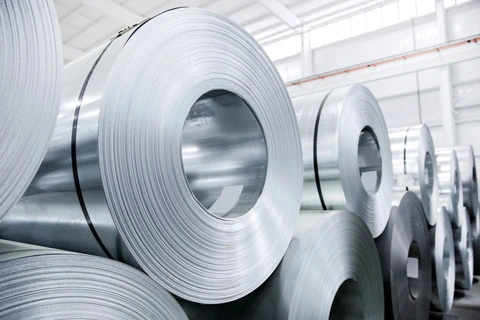
General Aluminum Standards define base alloy systems, dimensions, and general mill product tolerances used across industries. These standards provide specifications for aluminum mill products, sheet, plate, tubes, bars, rods, wires and pipes. They define designation systems and nomenclature and are a comprehensive guide for producers and users of aluminum.

Aluminum Welding

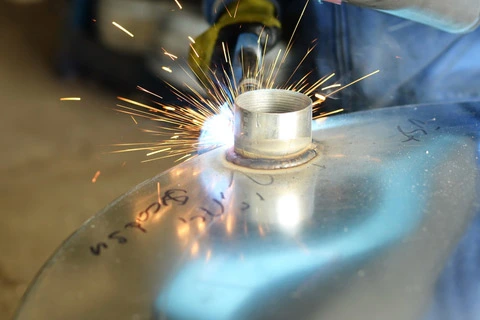
This group of documents defines the standards for welding consumables used in aluminum fabrication, including electrodes, rods, fluxes, and alloy-specific filler wires. They are used across industries such as construction, aerospace, automotive, marine, and pressure vessel manufacturing, ensuring consistent weld quality, structural integrity, and safety compliance. The listing includes alloy-specific filler metal standards, specifying chemistry and usability for different alloy series. They ensure compatibility with base alloys, mechanical properties of the weld, and resistance to cracking or corrosion. They are used in safety-critical applications, ensuring weld integrity in pressure-containing systems and aerospace structures where strict mechanical and metallurgical requirements apply. They cover fluxes used in aluminum gas welding, covering composition and performance to ensure proper cleaning, wetting, and porosity prevention.

Steel and Aluminum Structures

These documents govern the manufacture, assembly, and conformity assessment of steel and aluminum structures. Together, they set out requirements to ensure safety, reliability, and quality in construction products made from these materials. They provide requirements for design, qualification, fabrication, and inspection of welded aluminum structures. The AWS standards define welding procedures, qualification tests, criteria for evaluating weld quality, including visual inspection and nondestructive testing (NDT) and specify acceptance criteria for weld size, porosity, cracks, and other discontinuities.

Aluminum Alloy Gas Cylinders

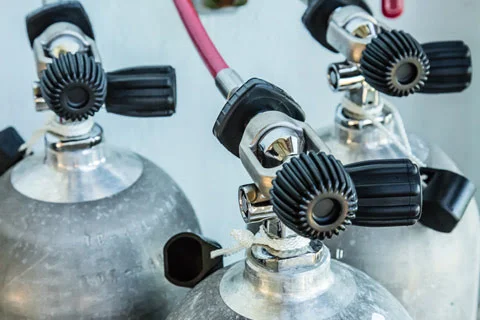
Aluminum alloy gas cylinder standards collectively provide a comprehensive framework for the design, material compatibility, inspection, and requalification of gas cylinders and tubes used in industrial, transportation, and fuel applications. The ISO 11114 series addresses the compatibility of metallic and non-metallic materials with gases, including specific test methods for ignition in oxygen atmospheres and resistance to hydrogen embrittlement, while ISO 11120 and ISO 7866 define design and construction requirements for large seamless steel tubes and seamless aluminum alloy cylinders, respectively. ISO 18119 establishes requirements for periodic inspection and testing of seamless steel and aluminum cylinders and tubes to ensure continued safe use. Complementing these, the CGA C-6.1 and C-6.3 standards provide detailed guidelines for the visual inspection and requalification of aluminum cylinders, distinguishing between high- and low-pressure applications, with C-6.3 specifically cited by DOT. Together, these standards and guidelines ensure the safe design, manufacture, compatibility assessment, and lifecycle maintenance of compressed gas containers.

Aluminum Coatings and Finishes

Aluminum coating and finishes standards define test methods for specifying, applying, and evaluating protective and decorative finishes on aluminum and its alloys, covering designation systems, coating requirements, performance testing, and limitations to ensure durability, corrosion resistance, appearance, and suitability for various environments.

Medical Uses for Aluminum

This category covers aluminum used in the medical field such as in surgical implant applications. These standards are important for the medical industry because metallic powders can improve tissue attachment to implants. These standards address the requirements for these metallic powders for coatings used for implants.

Other Popular Aluminum Standards

Other Popular Aluminum Standards cover aluminum and aluminum-alloy electric connectors, hardness conversion tables, handling molten aluminum, and more.