Standards for machines involved in cooking, dishwashing, and other kitchen duties and activities are developed by IEC. The numerous standards address safety concerns and technical requirements in a number of kitchen machines, including, but not limited to, dishwashers, cookers, fryers, blenders, food mixers and processors, and so on. These standards address safety concerns and technical requirements for kitchen machines used in a commercial and household setting. The misuse of kitchen machines can result in various hazards and injuries, including cuts, severe burns, explosions, and etc. These hazards and injuries could lead to the destruction of personal property, casualties, as well as legal disputes.
IEC 60335-2-14:2025 deals with the safety of electric kitchen machines for household and similar purposes, their rated voltage being not more than 250 V including direct current (DC) supplied appliances and battery-operated appliances. Examples of appliances that are within the scope of this standard are – bean slicers; – auger juicers; – blenders; – can openers; – centrifugal juicers; – churns; – citrus-fruit squeezers; – coffee mills not exceeding a hopper rated capacity of 500 g; – cream whippers; – egg beaters; – food mixers; – food processors; – grain grinders not exceeding a hopper rated capacity of 3 l; – graters; – ice-cream machines, including those for use in refrigerators and freezers; – knife sharpeners; – knives; – mincers; – noodle makers; – peelers; – shredders; – sieving machines; – slicing machines. Appliances intended for normal household and similar use and that can also be used by laypersons in shops, in light industry, bed and breakfast and on farms, are within the scope of this standard. However, if the appliance is intended to be used professionally to process food for commercial consumption, the appliance is not considered to be for household and similar use only. As far as is practicable, this standard deals with the common hazards presented by appliances which are encountered by all persons in and around the home. However, in general, it does not take into account – persons (including children) whose physical, sensory or mental capabilities; or lack of experience and knowledge prevents them from using the appliance safely without supervision or instruction; – children playing with the appliance. It does not take into account the use of the following appliances by children: – bean slicers; – blenders including hand-held blenders; – juicers other than citrus-fruit squeezers; – food mixers; – food processors; – knives; – mincers; – noodle makers; – lathe-type or hand-held peelers; – vegetable graters/shredders; – slicing machines. Attention is drawn to the fact that – for appliances intended to be used in vehicles or on board ships or aircraft, additional requirements can be necessary; – in many countries, additional requirements are specified by the national health authorities, the national authorities responsible for the protection of labour and similar authorities. This standard does not apply to – slicing machines having a circular knife the blade of which is inclined at an angle exceeding 45° to the vertical; – breadmakers (IEC 60335 2 9); – soy milk makers (IEC 60335 2 15); – food waste disposers (IEC 60335 2 16); – ice-cream appliances with incorporated motor compressors (IEC 60335-2 24); – kitchen machines intended for commercial purposes (IEC 60335 2 64); – kitchen machines intended for industrial purposes; – kitchen machines intended to be used in locations where special conditions prevail, such as the presence of a corrosive or explosive atmosphere (dust, vapour or gas). This seventh edition cancels and replaces the sixth edition published in 2016 and Amendment 1:2019. This edition constitutes a technical revision. This edition includes the following significant technical changes with respect to the previous edition: a) alignment with IEC 60335-1:2020; b) conversion of some notes to normative text (Clause 1, 3.1.9.111, 3.1.9.112, 3.1.9.114, 3.1.9.115, 11.7.3, 20.2, 20.107, 20.108); c) modification to replace berry juice extractor with auger juicer and addition of a defined term (Clause 1, 3.1.9.101, 3.5.107, 11.7.102, 19.1, 19.7); d) addition of requirements for appliances not intended for use by children (Clause 1, 7.12, 20.2, 20.106, 20.117); e) modifications to clarify the testing under normal operating conditions (3.1.9, 3.1.9.111, 5.9, 7.12, 10.1, 11.5, 11.6, 11.7, 11.7.1 to 11.7.3, 11.7.101 to 11.7.118); f) addition of surface temperatures for external accessible surfaces (11.3, 11.8); g) modification of the spillage test of 15.2 to address leakage from the liquid container; h) clarification of requirements for remote operation of kitchen machines (11.7, 19.7, 22.40, 22.49, 22.51); i) modification of the operating period for juicers with respect to the 0,5 kg carrot load and the operating time (11.7.105); j) clarification of overfill testing with detachable gaskets and addition of gasket leakage test (15.2, 15.102); k) clarification of the feed opening dimension limits in 20.2; l) addition of requirements when compliance with the standard relies on an electronic circuit for the interlock function (20.2, 20.104, 20.108, 20.113); m) addition of test probe 18 where test probe B is applied and clarification of forces applied to test probes (20.2, 20.104, 20.106, 20.108, 20.113, 20.114, 20.117); n) update and combine requirements for inadvertent operation of hand-held blenders and knives to cover alternative switch constructions on the market (20.103 and deletion of previous 20.115); o) clarification of the test of 20.104; p) update of interlock requirements to be applicable for all appliances where the interlock is required for compliance with the standard (20.113, 20.114); q) update of the detergent used for centrifugal juicer conditioning (Annex AA). This part 2 is to be used in conjunction with the latest edition of IEC 60335-1 and its amendments unless that edition precludes it; in that case, the latest edition that does not preclude it is used. It was established on the basis of the sixth edition (2020) of that standard.
IEC 60335-2-31:2024 deals with the safety of electric range hoods and other cooking fume extractors intended for installing above, beside, behind or under household cooking ranges, hobs and similar cooking appliances, their rated voltage being not more than 250 V including direct current (DC) supplied appliances. The cooking appliance can be supplied by electricity or other fuels, such as gas. Appliances not intended for normal household use but that nevertheless can be a source of danger to the public, such as appliances intended to be used by laymen in shops, in light industry and on farms, are within the scope of this standard. As far as is practicable, this standard deals with the common hazards presented by appliances that are encountered by all persons in and around the home. However, in general, it does not take into account - persons (including children) whose physical, sensory or mental capabilities; or lack of experience and knowledge prevents them from using the appliance safely without supervision or instruction; - children playing with the appliance. Attention is drawn to the fact that - for appliances incorporating electrostatic air filters, IEC 60335-2-65 also applies; - for appliances intended to be used in vehicles or on board ships or aircraft, additional requirements can be necessary; - in many countries additional requirements are specified by the national health authorities, the national authorities responsible for the protection of labour, the national authorities responsible for buildings and similar authorities. This standard does not apply to - appliances intended for commercial purposes (IEC 60335-2-99); - appliances intended to be used in locations where special conditions prevail, such as the presence of a corrosive or explosive atmosphere (dust, vapour or gas). This sixth edition cancels and replaces the fifth edition published in 2012, Amendment 1:2016 and Amendment 2:2018. This edition constitutes a technical revision. This edition includes the following significant technical changes with respect to the previous edition: a) alignment with IEC 60335-1:2020; b) conversion of some notes to normative text (Clause 1, 22.8, 22.101, 22.102); c) update of the installation requirements for the heating test to include down-draft systems (11.2); d) addition of accessible surface temperature limits (11.3, 11.8); e) introduction of IEC TR 62854 to determine compliance in case of doubt (22.14); f) clarification of remote operation requirements for range hoods and other cooking fume extraction appliances (22.40, 22.49, 22.51); g) clarification of 30.101 with respect to grease filters and odour extraction filters. This part 2 is to be used in conjunction with the latest edition of IEC 60335-1 and its amendments. unless that edition precludes it; in that case, the latest edition that does not preclude it is used. It was established on the basis of the sixth edition (2020) of that standard.

IEC 60335-2-36:2021 deals with the safety of electrically operated commercial cooking and baking ranges, ovens, hobs, hob elements and similar appliances, their rated voltage being not more than 250 V for single-phase appliances connected between one phase and neutral and 480 V for other appliances. These appliances are not intended for household and similar purposes. They are used for commercial processing of food in areas not open to the public, for example in kitchens of restaurants, canteens, hospitals and in commercial enterprises such as bakeries and butcheries. The electrical part of appliances making use of other forms of energy is also within the scope of this standard. As far as is practicable, this standard deals with the common hazards presented by these types of appliances. Attention is drawn to the fact that – for appliances intended to be used in vehicles or on board ships or aircraft, additional requirements can be necessary; – in many countries additional requirements are specified by the national health authorities, the national authorities responsible for the protection of labour, the national water supply authorities and similar authorities; – in many countries, additional requirements are specified for pressure appliances. This standard does not apply to – appliances designed exclusively for industrial purposes; – appliances intended to be used in locations where special conditions prevail, such as the presence of a corrosive or explosive atmosphere (dust, vapour or gas); – appliances for continuous mass production of food; – steam cookers, forced and steam convection ovens (IEC 60335-2-42); – appliances for keeping food and crockery warm (IEC 60335-2-49); – commercial microwave ovens (IEC 60335-2-90); – battery-operated appliances. This seventh edition cancels and replaces the sixth edition published in 2017. This edition constitutes a technical revision. This edition includes the following significant technical changes with respect to the previous edition: a) the text has been aligned with IEC 60335-1:2020; b) some notes have been converted to normative text, modified or deleted (Clause 1, 7.1, 7.15, 11.4, 13.3, 21.101, 22.101, 27.2, 30.101); c) conciliation of the text of IEC 60335-2-36 with other standards under IEC/TC61/MT32; d) exclusion of battery-operated appliances and appliances used in areas open to the public (Clause 1); e) relocation of cleaning instructions from 7.12.1 to 7.12; f) clarification of the testing procedure in 15.1.1; g) clarification on the test conditions in 19.1 and 23.3; h) introduction of 22.110; i) clarifications in the requirements in 25.3. This Part 2 is to be used in conjunction with the latest edition of IEC 60335-1 and its amendments unless that edition precludes it; in that case, the latest edition that does not preclude it is used. It was established on the basis of the sixth edition (2020) of that standard.
IEC 60335-2-39:2021 is available as IEC 60335-2-39:2021 RLV which contains the International Standard and its Redline version, showing all changes of the technical content compared to the previous edition. IEC 60335-2-39:2021 deals with the safety of electrically operated commercial multi-purpose cooking pans, their rated voltage being not more than 250 V for single-phase appliances connected between one phase and neutral and 480 V for other appliances. This standard also deals with pressurized appliances and appliances with pressurized parts. These appliances are not intended for household and similar purposes. They are used for commercial processing of food in areas not open to the public, for example in kitchens of restaurants, canteens, hospitals and in commercial enterprises such as bakeries and butcheries. The electrical part of appliances making use of other forms of energy is also within the scope of this standard. As far as is practicable, this standard deals with the common hazards presented by these types of appliances. Attention is drawn to the fact that - for appliances intended to be used in vehicles or on board ships or aircraft, additional requirements can be necessary; - in many countries, additional requirements are specified by the national health authorities, the national authorities responsible for the protection of labour, the national water supply authorities and similar authorities. This standard does not apply to - appliances designed exclusively for industrial purposes; - appliances intended to be used in locations where special conditions prevail, such as the presence of a corrosive or explosive atmosphere (dust, vapour or gas); - appliances for continuous mass production of food; - deep fat fryers (IEC 60335-2-37); - battery-operated appliances. This seventh edition cancels and replaces the sixth edition published in 2012 and Amendment 1:2017. This edition constitutes a technical revision. This edition includes the following significant technical changes with respect to the previous edition: a) the text has been aligned with IEC 60335-1:2020; b) some notes have been converted to normative text or modified (Clause 1, 15.1, 15.102, 16.2, 19.101, 27.2); c) exclusion of battery-operated appliances and appliances used in areas open to the public (Clause 1); d) relocation of cleaning instructions from 7.12.1 to 7.12; e) relocation of 24.101 to 22.115; f) conciliation of the text of IEC 60335-2-39 with other standards under IEC/TC61/MT32; g) clarifications and modifications to some test specifications have been made (9.101, 11.4, 15.1.1, 15.102, 20.1, 25.3). This Part 2 is to be used in conjunction with the latest edition of IEC 60335-1 and its amendments unless that edition precludes it; in that case, the latest edition that does not preclude it is used. It was established on the basis of the sixth edition (2020) of that standard.
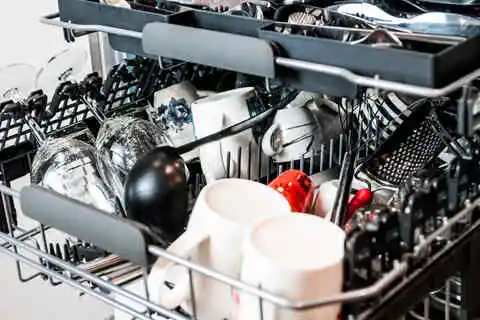
IEC 60335-2-5:2012 deals with the safety of electric dishwashers for household and similar purposes that are intended for washing and rinsing dishes, cutlery and other utensils, their rated voltage being not more than 250 V for single-phase appliances and 480 V for other appliances. Appliances intended for normal household and similar use and that may also be used by laymen in shops, in light industry and on farms, are within the scope of this standard. However, if the appliance is intended to be used professionally for washing and rinsing dishes and cutlery and other utensils that are used for commercial purposes, the appliance is not considered to be for household and similar use only. As far as is practicable, this standard deals with the common hazards presented by appliances that are encountered by all persons in and around the home. However, in general it does not take into account persons (including children) whose physical, sensory or mental capabilities, or lack of experience and knowledge prevents them from using the appliance safely without supervision or instruction or children playing with the appliance. This sixth edition cancels and replaces the fifth edition published in 2002 including its Amendment 1 (2005) and its Amendment 2 (2008). The principal changes in this edition as compared with the fifth edition of IEC 60335-2-5 are as follows: - added requirements to 22.104 to address switch issues; - converted notes to normative text (3.1.9, 7.12, 10.1, 10.2, 15.101, 22.6, 22.103, AA.1, AA.2, Annex BB - Clause 4) and - deleted notes (19.101, 22.6, 23.101, AA.2). For commercial electric dishwashing machines, see IEC 60335-2-58. Keywords: Appliances, Dishwashers This publication is to be read in conjunction with IEC 60335-1:2010 .
IEC 60335-2-58:2017 deals with the safety of electrically operated dishwashing machines for washing plates, dishes, glassware, cutlery and similar articles, with or without means for water heating or drying, not intended for household use, their rated voltage being not more than 250 V for single-phase appliances connected between one phase and neutral and 480 V for other appliances. These appliances are used for example in restaurants, canteens, hospitals, and commercial enterprises such as bakeries, butcheries, etc. Examples of such appliances are conveyor dishwashers; batch dishwashers and brush machines. Requirements to avoid backsiphonage of non-potable water into the water mains are specified in Annex BB. The electrical part of appliances making use of other forms of energy is also within the scope of this standard. As far as is practicable, this standard deals with the common hazards presented by these types of appliances. Attention is drawn to the fact that for appliances intended to be used in vehicles or on board ships or aircraft, additional requirements may be necessary. This standard does not apply to the following: appliances designed exclusively for industrial purposes, for example machines used in the food industry for cleaning receptacles that serve as packaging for final products (e.g. bottle-cleaning machines), and machines used in manufacturing processes; sterilizers and washer-disinfectors used to treat medical materials (IEC 61010-2-040); dishwashers that do not form one functional unit, for example where a transportation device transfers the load from one separate unit to another; separately driven transport devices not confined in the appliance; appliances intended to be used in locations where special conditions prevail, such as the presence of a corrosive or explosive atmosphere (dust, vapour or gas). This fourth edition cancels and replaces the third edition published in 2002 including its Amendment 1 (2008) and its Amendment 2 (2015). This edition constitutes a technical revision. This edition includes the following significant technical changes with respect to the previous edition: The text has been aligned with Edition 5.2 of Part 1; Requirements and tests for vertical-lift doors with and without a counterbalance system are clarified (20.103, 20.104); Some notes have been converted to normative text or deleted (7.15, 9, 10.1, 11.7, 15.3, 19.4, 20.1, 20.102, 22.106, 22.107, 23.3). This part 2 is to be used in conjunction with the latest edition of IEC 60335-1 and its amendments. It was established on the basis of the fifth edition (2010) of that standard The attention of National Committees is drawn to the fact that equipment manufacturers and testing organizations may need a transitional period following publication of a new, amended or revised IEC publication in which to make products in accordance with the new requirements and to equip themselves for conducting new or revised tests. It is the recommendation of the committee that the content of this publication be adopted for implementation nationally not earlier than 12 months or later than 36 months from the date of its publication. Key words: Dishwashing Machine, Safety, Commercial
IEC 60335-2-6:2024 deals with the safety of stationary electric cooking appliances, such as cooking ranges, hobs, and ovens, for household use, their rated voltage being not more than 250 V for single-phase appliances connected between one phase and neutral, and 480 V for other appliances including direct current (DC) supplied appliances and battery-operated appliances. This standard also includes some requirements for ovens that are intended to be used on board ships. Examples of appliances that are within the scope of this standard are: – griddles; – grills; – induction hobs; – induction wok elements; – pyrolytic self-cleaning ovens; – steam ovens. As far as is practicable, this standard deals with the common hazards presented by appliances that are encountered by all persons in and around the home. However, in general, it does not take into account: – persons (including children) whose physical, sensory or mental capabilities; or lack of experience and knowledge prevents them from using the appliance safely without supervision or instruction; – children playing with the appliance. Attention is drawn to the fact that: – for appliances intended to be used in vehicles or on board ships or aircraft, additional requirements can be necessary; – in many countries, additional requirements are specified by the national health authorities, the national authorities responsible for the protection of labour, the national water supply authorities and similar authorities. This standard does not apply to: – appliances intended for commercial catering; – appliances intended to be used in locations where special conditions prevail, such as the presence of a corrosive or explosive atmosphere (dust, vapour or gas); – grills, toasters and similar portable cooking appliances (IEC 60335-2-9); – microwave ovens (IEC 60335-2-25). This seventh edition cancels and replaces the sixth edition published in 2014 and Amendment 1:2018. This edition constitutes a technical revision. This edition includes the following significant technical changes with respect to the previous edition: a) alignment with IEC 60335-1:2020; b) deletion of notes (15.2) and conversion of notes to normative text (Clause 1, 3.1.9.101, 7.103, 11.7, 15.2, 16.2, 22.109, 22.120, 22.132, 22.124, Figure 103); c) application of test probe 19 (8.1.1, 20.2); d) alignment of limits on the temperature rise of external accessible surfaces (Clause 11); e) addition of requirements for automatic regulation systems and remote automatic regulation systems for induction hobs (3.7.103, 3.11.4, 3.11.5, 3.11.101, 7.12, 19.102, 22.40, 22.62, Annex AA); f) addition of requirements for remote operation of ovens (22.51). This part 2 is to be used in conjunction with the latest edition of IEC 60335-1 and its amendments unless that edition precludes it; in that case, the latest edition that does not preclude it is used. It was established on the basis of the sixth edition (2020) of that standard.
IEC 60335-2-64:2002+AMD1:2007 deals with the safety of electrically operated commercial kitchen machines not intended for household use. The rated voltage being not more than 250 V for single-phase appliances connected between one phase and neutral, and 480 V for other appliances. Appliances within the scope of this standard are typically used in restaurants, canteens, hospitals and commercial enterprises such as bakeries, butchers, etc. Keywords: Kitchen machines, Mixers, Blenders, Coffee Grinders. This consolidated version consists of the third edition of 2002 and its amendment 1 of 2007. Therefore, no need to order amendments in addition to this publication.
IEC 60335-2-9:2019 is available as IEC 60335-2-9:2019 RLV which contains the International Standard and its Redline version, showing all changes of the technical content compared to the previous edition. IEC 60335-2-9:2019 deals with the safety of electric portable appliances for household and similar purposes that have a cooking function such as baking, roasting and grilling, their rated voltage being not more than 250 V. Examples of appliances that are within the scope of this standard are: – barbecues for indoor use; – breadmakers; – candy floss appliances; – contact grills (griddles); – cookers; – food dehydrators; – hotplates; – induction wok hotplates; – pop-corn makers; – portable ovens; – raclette grills; – radiant grills; – roasters; – rotary grills; – rotisseries; – toasters; – waffle irons; Appliances intended for normal household and similar use and that may also be used by laymen in shops, in light industry and on farms, are within the scope of this standard. However, if the appliance is intended to be used professionally to process food for commercial consumption, the appliance is not considered to be for household and similar use only. As far as is practicable, this standard deals with the common hazards presented by appliances that are encountered by all persons in and around the home. However, in general, it does not take into account – persons (including children) whose physical, sensory or mental capabilities or lack of experience and knowledge prevents them from using the appliance safely without supervision or instruction; – children playing with the appliance. Attention is drawn to the fact that: – for appliances intended to be used in vehicles or on board ships or aircraft, additional requirements could be necessary; – in many countries, additional requirements are specified by the national health authorities, the national authorities responsible for the protection of labour and similar authorities. This standard does not apply to: – stationary ovens and stationary grills (IEC 60335-2-6); – warming plates (IEC 60335-2-12); – frying pans and deep fat fryers (IEC 60335-2-13); – microwave ovens (IEC 60335-2-25); – barbecues for outdoor use (IEC 60335-2-78); – appliances intended to burn charcoal or similar combustible fuels; – appliances intended for commercial catering; – appliances intended to be used in locations where special conditions prevail, such as the presence of a corrosive or explosive atmosphere (dust, vapour or gas). This seventh edition cancels and replaces the sixth edition published in 2008, Amendment 1:2012 and Amendment 2:2016. This edition constitutes a technical revision. This edition includes the following significant technical changes with respect to the previous edition: – aligns the text with IEC 60335-1, Ed 5, and its Amendments 1 and 2; – revises the abnormal tests for a toaster (19.11.2, 19.102). This part 2 is to be used in conjunction with the latest edition of IEC 60335-1 and its amendments. It was established on the basis of the fifth edition (2010) of that standard.
IEC 60335-2-9:2008+A1:2012 deals with the safety of electric portable appliances for household and similar purposes that have a cooking function such as baking, roasting and grilling, their rated voltage being not more than 250 V. Examples of appliances that are within the scope of this standard are barbecues for indoor use; breadmakers; contact grills (griddles); cookers; food dehydrators; hotplates; pop-corn makers; portable ovens; raclette grills; radiant grills; roasters; rotary grills; rotisseries; toasters and waffle irons. The major changes in this edition as compared with the fifth edition are as follows: aligns the text with 60335-1, Ed4, and its amendments 1 and 2; introduces requirements for pop-corn makers (3, 11.7, 19.106); clarifies the term household and similar purposes (1, 7.12). This consolidated version consists of the sixth edition (2008) and its amendment 1 (2012). Therefore, no need to order amendment in addition to this publication. This publication is to be read in conjunction with IEC 60335-1:2010 .
IEC 60350-1:2023 is available as an IEC 60350-1:2023 RLV which contains the International Standard and its Redline version, showing all changes of the technical content compared to the previous edition. IEC 60350-1:2023 specifies methods for measuring the performance of electric cooking ranges, ovens, steam ovens, and grills for household use. This document is also applicable to portable appliances with similar functionalities that were previously covered by the withdrawn IEC 61817. The ovens covered by this document can be with or without microwave function. Manufacturers are expected to define the primary cooking function of the appliance – microwave function or thermal heat. The primary cooking function is measured with an existing method according to energy consumption. If the primary cooking function is declared in the instruction manual as a microwave function, IEC 60705 is applied for energy consumption measurement. If the primary cooking function is declared as a thermal heat, then IEC 60350-1 is applied for energy consumption measurement. If the primary function is not declared by the manufacturer, the performance of the microwave function and thermal heat is measured as far as it is possible. For measurement of energy consumption and time for heating a load (see Clause 8), this document is furthermore not applicable to: - microwave combination function; - ovens with reciprocating trays or turntable; - small cavity ovens (see 3.16); - ovens without adjustable temperature control; - heating functions and eco functions other than defined in this document; - appliances with only solo steam function. This document does not apply to microwave ovens (IEC 60705). This document defines the main performance characteristics of these appliances that are of interest to the user and specifies methods for measuring these characteristics. This document does not specify a classification or ranking for performance. This document does not deal with safety requirements (IEC 60335-2-6 and IEC 60335-2-9). Appliances covered by this document can be built-in or for placing on a working surface or the floor. There is no measurement method for the energy consumption for grilling and steam functions available. This third edition cancels and replaces the second edition published in 2016 and Interpretation Sheet 1:2021. This edition constitutes a technical revision. This edition includes the following significant technical changes with respect to the previous edition: a) new definitions for heating function, eco function and definitions relevant for low power mode considerations are amended in Clause 3; b) order of clauses is changed; c) revision of 5.3; d) update of 6.2 in order to improve the reliability of volume measurement; e) removal of 6.7, Level of shelf; f) revision of Clause 7 concerning the accuracy of eco functions with residual heat use; g) revision of Clause 8 in order to improve the reliability of the method for measuring the energy consumption, especially regarding anti-circumvention; h) unique energy consumption measurement for all heating functions and eco functions with an indication of the energy consumption for a temperature increase of 165 K (compared to 155 K currently for forced air circulation function, for example), which results in higher energy consumption values compared to the previous edition; i) Ry replaced by L* in Clause 9 and reference to IEC TS 63350; j) cooking time for reference measurement introduced for broccoli in Clause 10; k) yellow part replaced by hue angle value in Clause 10; l) requirements for digital assessment (see former 7.5.3.6.3) are obsolete as specified in IEC TS 63350; m) revision of Clause 14 (Consumption measurement of low power modes, previous Clause 12); n) former Annex G (informative) is cancelled due to the fact that this method for measuring an associated activity has been not applied; o) former Annexes B and F are obsolete, up-to-date shade charts are specified in IEC TS 63350; p) former Annex E will be substituted by a supporting document located on the IEC's website.
IEC 60350-2:2025 defines methods for measuring the performance of electric hobs for household use. Appliances covered by this document can be built-in or designed to be placed on a work surface. The hob can be part of a cooking range and it can have an integrated cooking fume extractor, i.e. a hob with down-draft system . This document defines the main performance characteristics of hobs which are of interest to the user and specifies methods for measuring these characteristics. This document does not specify a classification or ranking for performance. Some of the tests which are specified in this document are not considered to be reproducible since the results can vary between laboratories. They are therefore intended for comparative testing purposes only. This document does not deal with safety requirements (IEC 60335-2-6 and IEC 60335-2-9). This document is also applicable for portable appliances with similar functionality. This third edition cancels and replaces the second edition published in 2017 and Amendment 1:2021. This edition constitutes a technical revision. This edition includes the following significant technical changes with respect to the previous edition: a) new definitions for portable hob, hob with down-draft system and low power modes are amended in Clause 3; b) revision of Clause 5: Tolerance for water amount added, requirements for dimension measurement added; c) removal of 6.4 Level of solid hotplates; d) revision of Clause 7 in order to improve the application of the smoothing average; e) revision of Table 1 and Table 3 in order to amend missing tolerances: f) Ry replaced by L* in Clause 9 and reference to IEC TS 63350; g) requirements for digital assessment in 9.1.6 removed as they are covered in IEC TS 63350; h) revision of Clause 12 Power measurement of low power modes; i) removal of Clause 13 Spillage capacity of hobs; j) Annex G Low-power mode measurements added; k) removal of Annex D 'Shade chart' as the shade charts are specified in IEC TS 63350; l) removal of Annex E 'Data and calculation sheet' as the calculation sheet is substituted by a supporting document located on the IEC web site; m) update of former Annex F 'Addresses of suppliers' by removal of former Clause F.6, F.7 and F.8 and by adding a further possible supplier in new D.4
IEC 60704-2-3:2025 applies to single unit electric dishwashers for household and similar use, with or without automatic programme control, for cold and/or warm water supply, for detachable or permanent connection to water supply or sewage systems, intended for placing on the floor against a wall, for building-in or placing under a counter, a kitchen worktop or under a sink, for wall-mounting or on a counter. This fourth edition cancels and replaces the third edition published in 2017. This edition constitutes a technical revision. This edition includes the following significant technical changes with respect to the previous edition: a) alignment to IEC 60704-1:2021, b) change of the position of the test sample in the test enclosure (aligned to IEC 60704 1:2021), c) detergent changed (aligned to IEC 60436:2025). This International Standard is intended to be used in conjunction with the fourth edition of IEC 60704-1:2021.
Specifies methods for measuring the performance of electric household portable appliances for cooking, grilling and similar use. It defines the main performance characteristics of these appliances which are of interest to the user, and specifies methods of measuring them. For performance of microwave ovens, see IEC 60705; for electric cooking ranges, hobs, ovens and grills for household use, see IEC 60350. The colour shade chart is provided with the printed standard. For the electronic version, this colour shade chart (IEC 61817-CHAR) can be ordered separately, to ensure accurate colour reproduction.